
- Este evento ha pasado.
Sociedad Audubon del Metro de Wisconsin
Wisconsin Metro Audubon Society (WMAS) is a chapter of the National Audubon Society that encourages environmental stewardship through education and conservation. WMAS collaborates with Wehr to offer birding opportunities such as the Christmas Bird Count, The Big Sit, and leads the weekly Wehr Birders group. Public programs are typically held on the third Wednesday, February to April and September to November from 7-9 pm. Please visit their website at the link below for specific details.
This month’s topic:
Invertebrate Insights: envisioning terrestrial and freshwater environments from an invertebrate perspective
Dr. Jessica Orlofske, UW- Parkside, Associate Professor
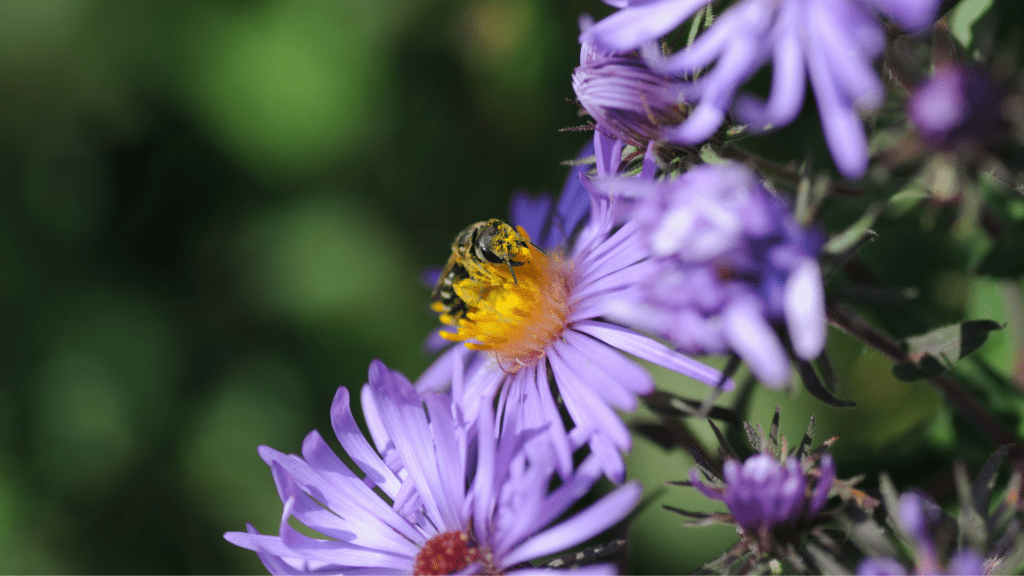
Insects and other invertebrates are the most diverse and abundant animals with the most varied functional roles in terrestrial and freshwater ecosystems. Here, we will discuss how researchers and community science participants characterize habitats to gather information about the invertebrate community, especially for target species like the Rusty Patched-Bumblebee (Bombus affinis) and the Hine’s Emerald Dragonfly (Somatochlora hineana). In contrast, regulators and community science volunteers can examine invertebrate communities directly to evaluate the health or quality of the environment – a practice known as biomonitoring. Both of these approaches contribute to our knowledge of invertebrates, particularly their life cycles, life history characteristics, and connections to other organisms in their habitats.
Jessica Orlofske is an Associate Professor in the Biological Sciences Department at the University of Wisconsin – Parkside. Dr. Orlofske received her undergraduate degree from the University of Wisconsin – Stevens Point and graduate degrees from Iowa State University and the University of New Brunswick (Canada). Dr. Orlofske’s research focuses on invertebrate conservation and environmental monitoring. Dr. Orlofske applies her research interests to study threatened and endangered invertebrates and developing methods that employ invertebrates to assess ecosystem health. Dr. Orlofske is also involved in community outreach with colleagues and partners, including the UW-Parkside Root River Environmental Education Community Center and the Milwaukee Public Museum.
Related Eventos

 Español de México
  English